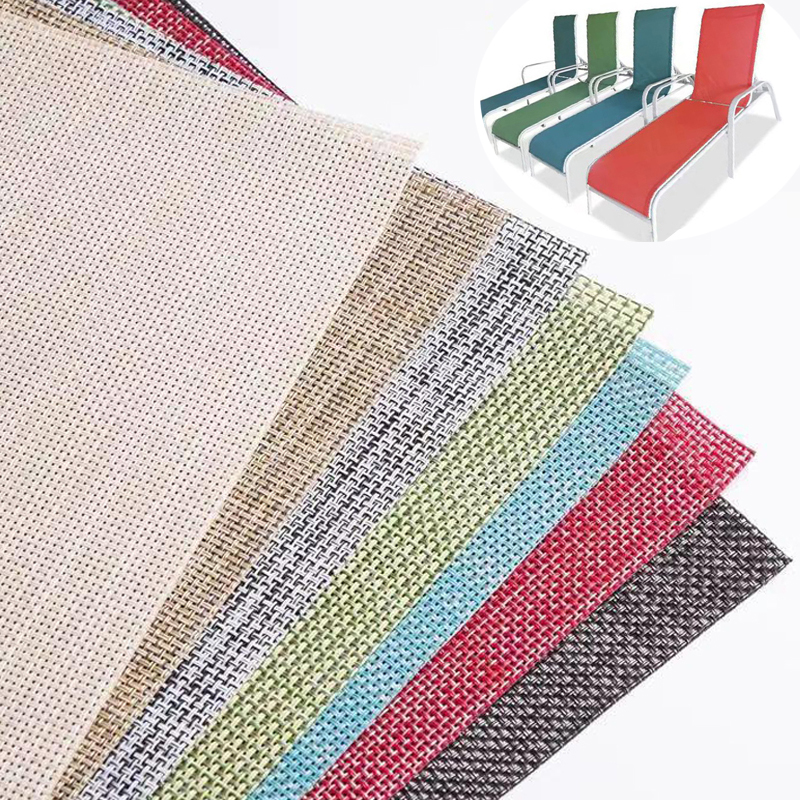
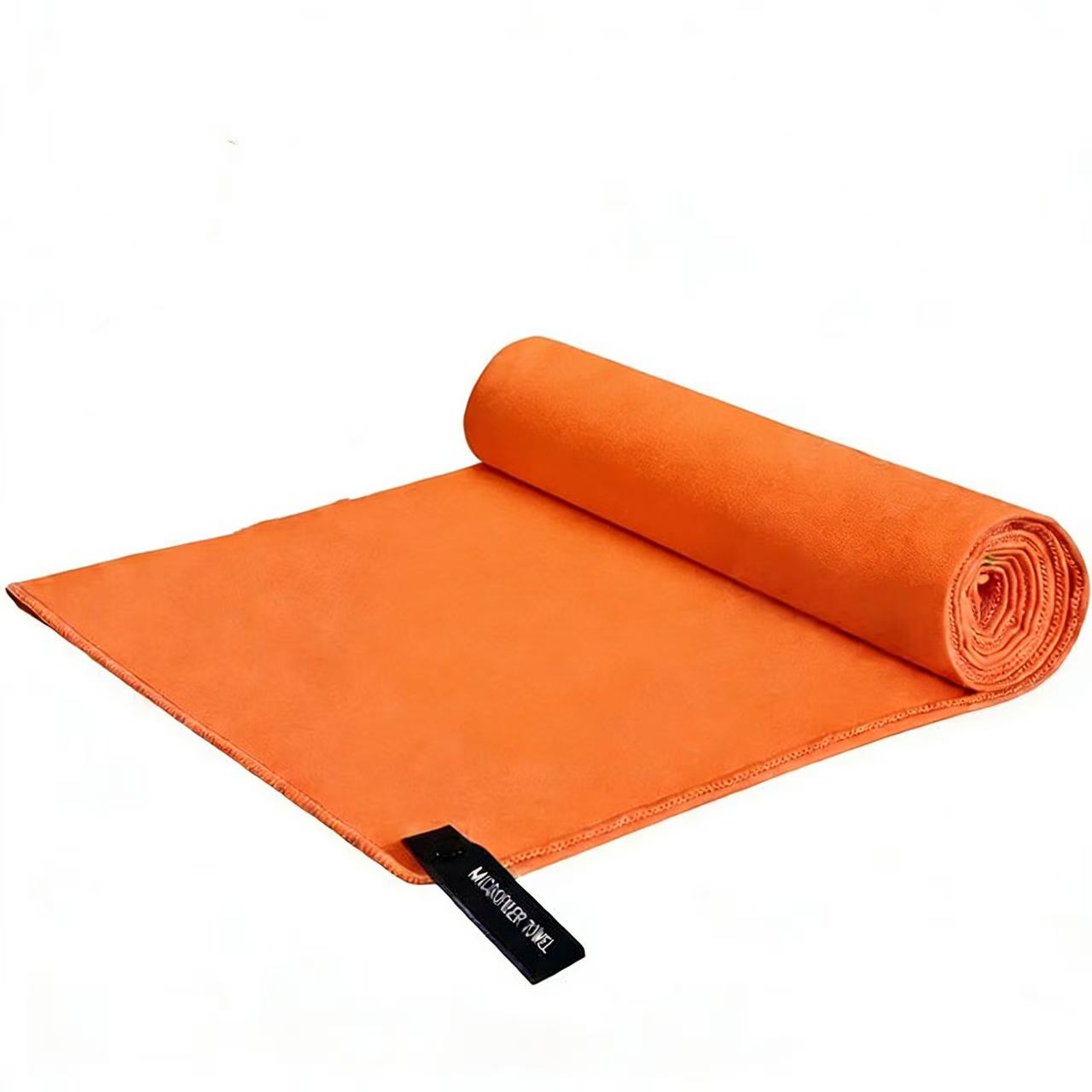
Case Study: Custom Polyester Fabric for a Hospital Procurement Team in Argentina
Source:Stainless Steel Flower Vase /
Time:2026-09-18
Polyester Fabric for a Hospital Procurement Team in Argentina
A Hospital Procurement Team approached us with a polyester fabric requirement for the Argentina market. The brief was specific: a defined look, a hard launch date and a unit cost that had to survive freight and duty. This case study records what was specified, what went wrong in sampling and how the bulk order was delivered.
The challenge
- A zipper puller that broke under pull test at the warehouse
- Shade drift between the approved lab dip and the bulk lot
- A trim that passed sampling but failed in-line because it was never cycle tested
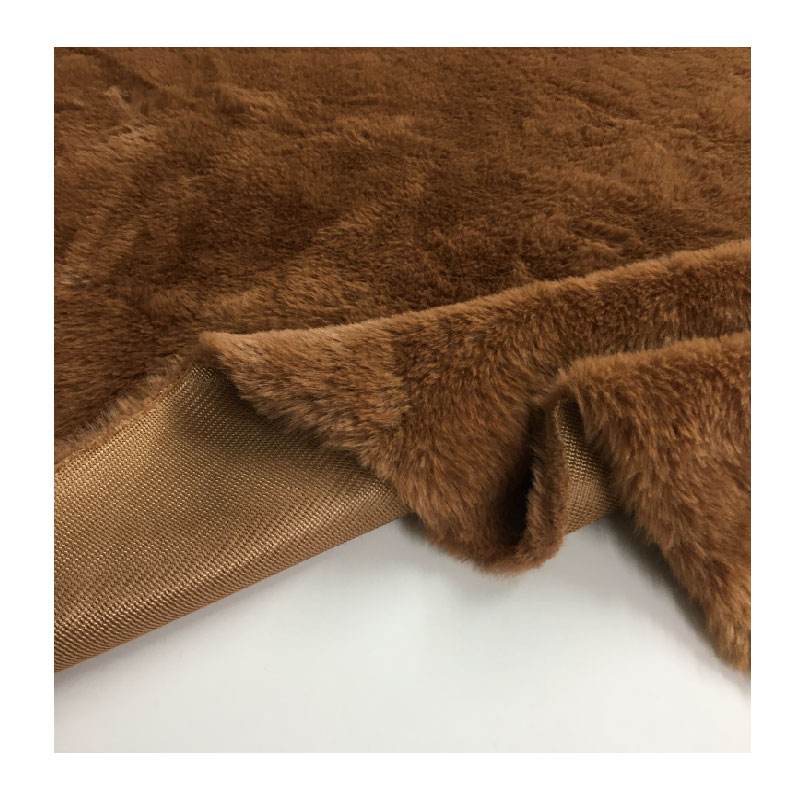
What we specified
| Item | Polyester Fabric |
|---|---|
| Client type | A Hospital Procurement Team |
| Market | Argentina |
| Order volume | 10,000 pieces across 3 specifications |
| Base material | Neoprene |
| Standard size | 210 gsm |
| Finish | Powder Coating |
| Sampling rounds | 3 |
| Delivery window | 6 weeks from PO to ex-factory |
| Compliance | ISO 105 Colour Fastness |
How it was resolved
- We rebuilt the specification around Neoprene and locked the tolerance before bulk.
- The finish was moved to Enzyme Wash Finish after strike-off tests showed better durability.
- A pre-production sample was approved and retained as the golden reference.
- Production ran with in-line inspection and a mid-run photo report.
- Cartons were packed to the client's own barcode and ratio specification.

Result
- 10,000 pieces delivered inside the 6-week window.
- Unit cost held within 2.0% of the original quotation.
- Inspection-related rejection stayed under 2.0%.
- The specification is now on file, so reorders reproduce the approved sample.
What we would repeat
Lock the material standard before sampling. Once the base changes, every downstream approval has to be redone and the calendar slips.
Planning something similar?
Share the programme details and we will propose two alternatives — one optimised for unit cost, one for lead time — and let you choose.