Rubber Heat Transfer Label for Baby Clothing — Specification, Uses and Sourcing Notes
Rubber Heat Transfer Label for Baby Clothing: Specification, Uses and Sourcing Notes
Rubber Heat Transfer Label is the version buyers specify for baby clothing when the base material is fixed by performance rather than by price. This entry sets out what the material actually changes, which specification to write into the tech pack, and where the cost sits — the three questions that decide whether the item passes bulk approval.
What it is
Rubber gives heat transfer label its strength and surface character. In practice that means the trim behaves differently in cutting, in finishing and in wear: shrinkage allowance has to be built into the spec. Buyers who specify the material up front avoid the most common failure — an item that looks right on the sample card and behaves differently in bulk.
Typical specification
| Item | Heat Transfer Label |
|---|---|
| Base material | Rubber |
| Standard size | 20 mm Width |
| Common finishes | UV Printing, Glossy Enamel Coating, Rainbow Iridescent Finish |
| Processes | Injection Moulding, Embossing, Anodising |
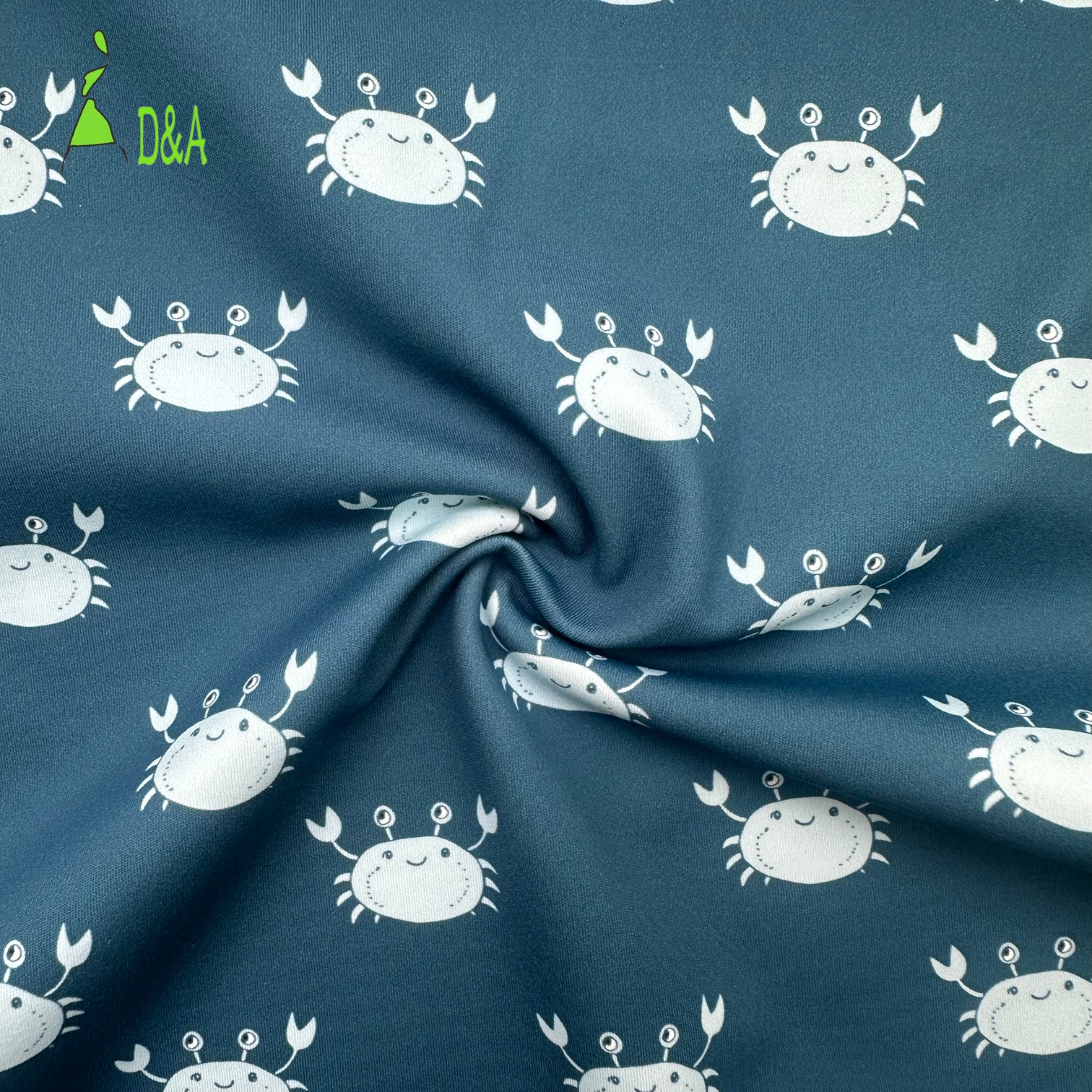
| Typical application | Baby Clothing |
| Related applications | Socks, Underwear, Jeans, Gloves |
| Test standard | REACH SVHC Screening |
| Usual packing | 100 pieces per polybag, 10000 per carton |
Properties that matter in buying
- Dimensional stability — 2% allowance is built into the spec before cutting.
- Colour fastness — tested to REACH SVHC Screening on the actual base material, not on a substitute.
- Mechanical performance — pull strength after 50 cycles or washes.
- Compliance — REACH SVHC Screening documentation issued with the shipment.
- Consistency — the approved counter sample becomes the reference for every reorder.
Common uses
- Backpacks
- Bedding Sets
- Underwear
- Socks
- Hats
- Coats
How to specify it
- Name the base material in the tech pack, not just the item.
- Fix the size and tolerance in writing before sampling starts.
- Approve a counter sample made from the actual bulk base material.
- Order the test report against the standard your market requires.
- Retain a golden sample at the factory and a second one with you.
Related reading
Related specifications on this site cover rivet, crepe fabric, webbing tape, bra underwire, and the processes most often paired with heat transfer label include embroidery, laser cutting, water repellent finishing.
If you are comparing suppliers, send us the spec they quoted against. We will quote the same spec and show you where the difference sits.