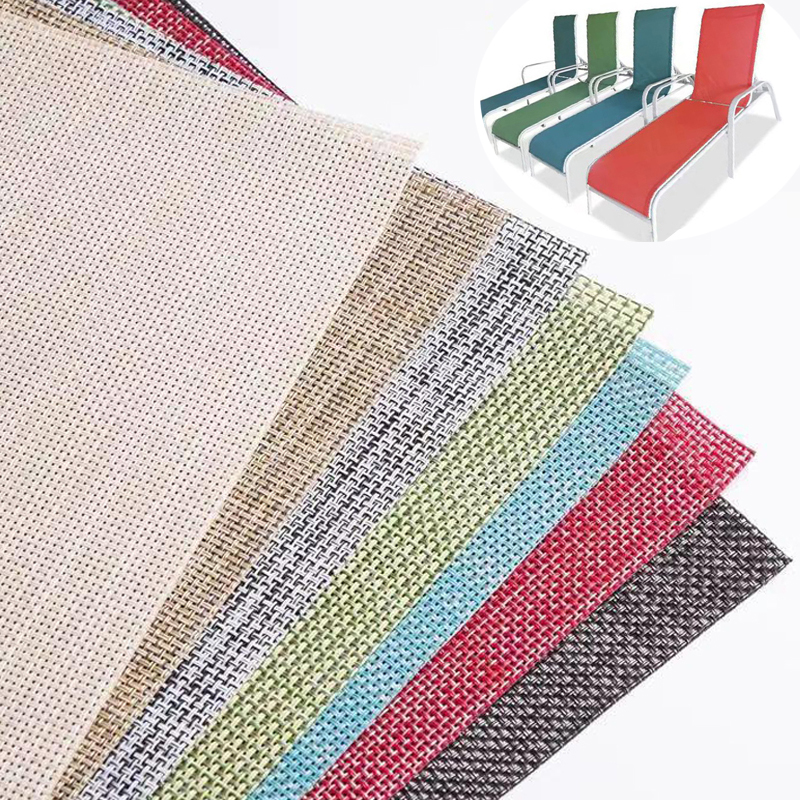
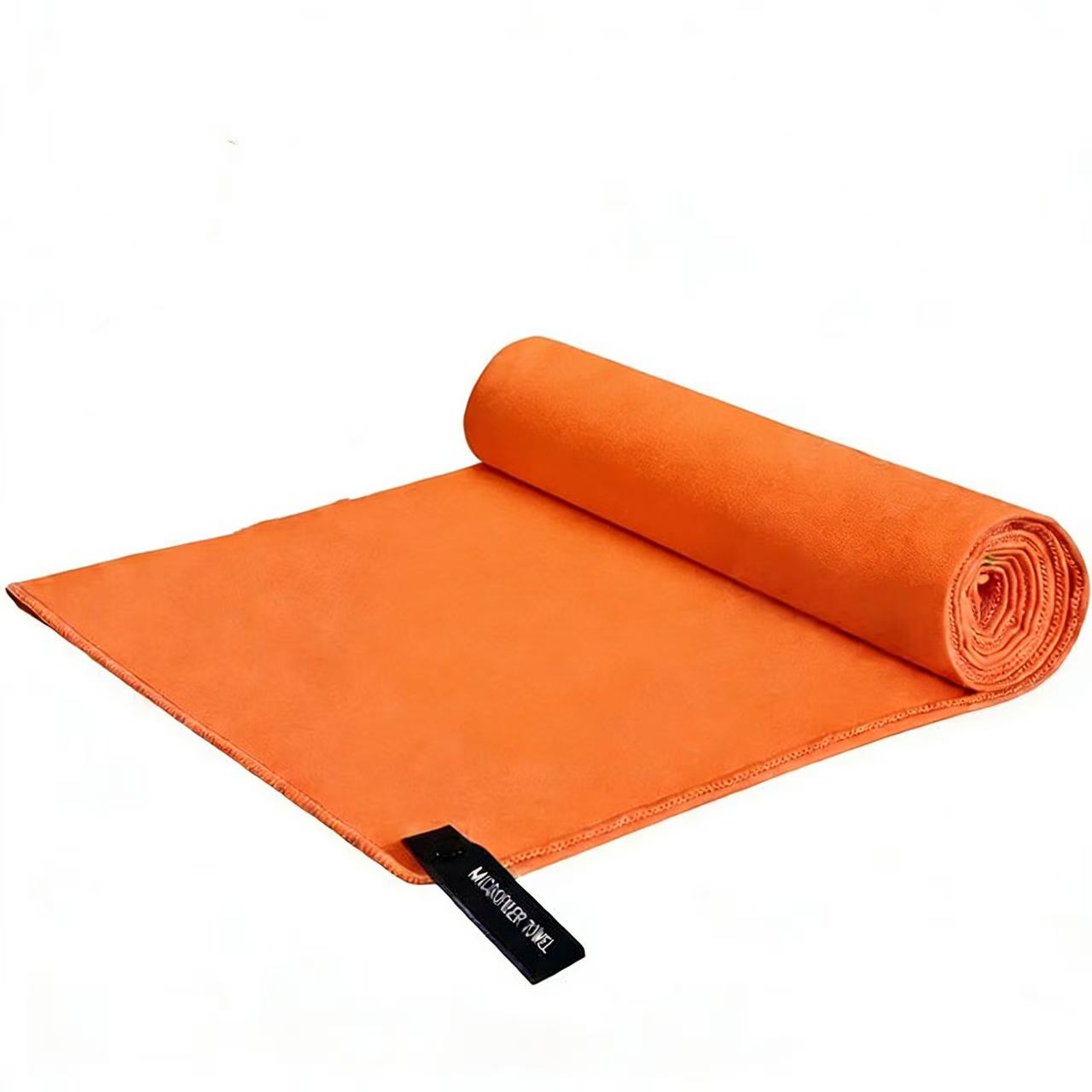
Case Study: Custom Recycled Polyester Fabric for a Theatre Costume Workshop in Norway
Source:Straight Hair Bulk /
Time:2026-09-18
Recycled Polyester Fabric for a Theatre Costume Workshop in Norway
A Theatre Costume Workshop approached us with a recycled polyester fabric requirement for the Norway market. The brief was specific: a defined look, a hard launch date and a unit cost that had to survive freight and duty. This case study records what was specified, what went wrong in sampling and how the bulk order was delivered.
The challenge
- A compliance document that arrived after the goods were already shipped
- A trim that passed sampling but failed in-line because it was never cycle tested
- Reorders that quietly changed supplier and changed the hand feel

What we specified
| Item | Recycled Polyester Fabric |
|---|---|
| Client type | A Theatre Costume Workshop |
| Market | Norway |
| Order volume | 50,000 pieces across 2 specifications |
| Base material | POM Plastic |
| Standard size | 210 gsm |
| Finish | Laser Engraved Finish |
| Sampling rounds | 2 |
| Delivery window | 5 weeks from PO to ex-factory |
| Compliance | WRAP |
How it was resolved
- We rebuilt the specification around POM Plastic and locked the tolerance before bulk.
- The finish was moved to Silicone Wash Finish after strike-off tests showed better durability.
- A pre-production sample was approved and retained as the golden reference.
- Production ran with in-line inspection and a mid-run photo report.
- Cartons were packed to the client's own barcode and ratio specification.

Result
- 50,000 pieces delivered inside the 5-week window.
- Unit cost held within 2.0% of the original quotation.
- Inspection-related rejection stayed under 2.0%.
- The specification is now on file, so reorders reproduce the approved sample.
What we would repeat
Approve a pre-production sample made from the actual bulk base material. Substitute material behaves differently in finishing.
Planning something similar?
Share the programme details and we will propose two alternatives — one optimised for unit cost, one for lead time — and let you choose.