Case Study: Custom Air Mesh Fabric for a Theatre Costume Workshop in the United States
Source:DMX Laser Fountain /
Time:2026-09-18
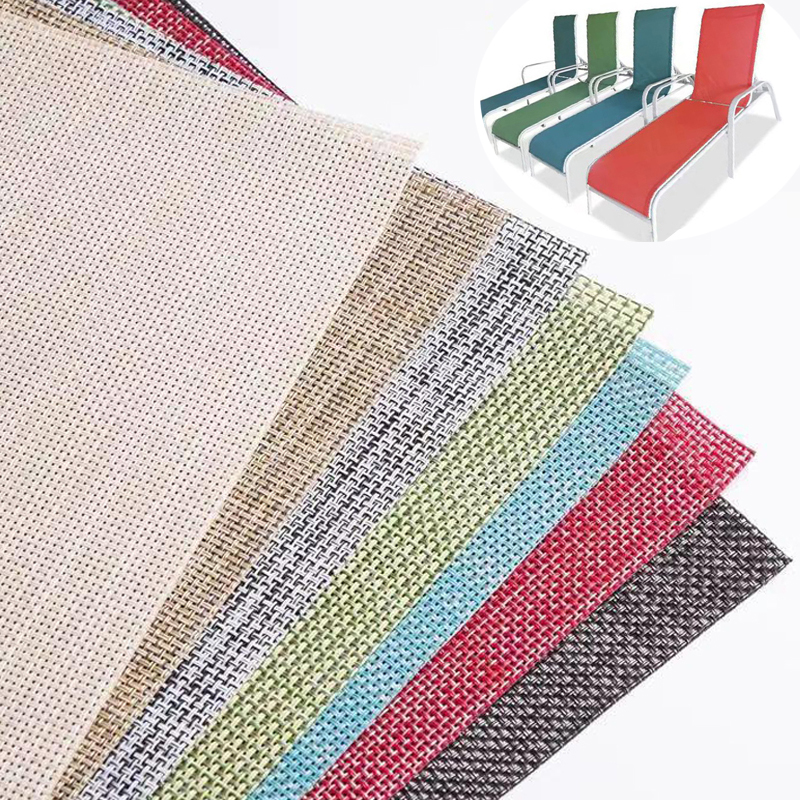
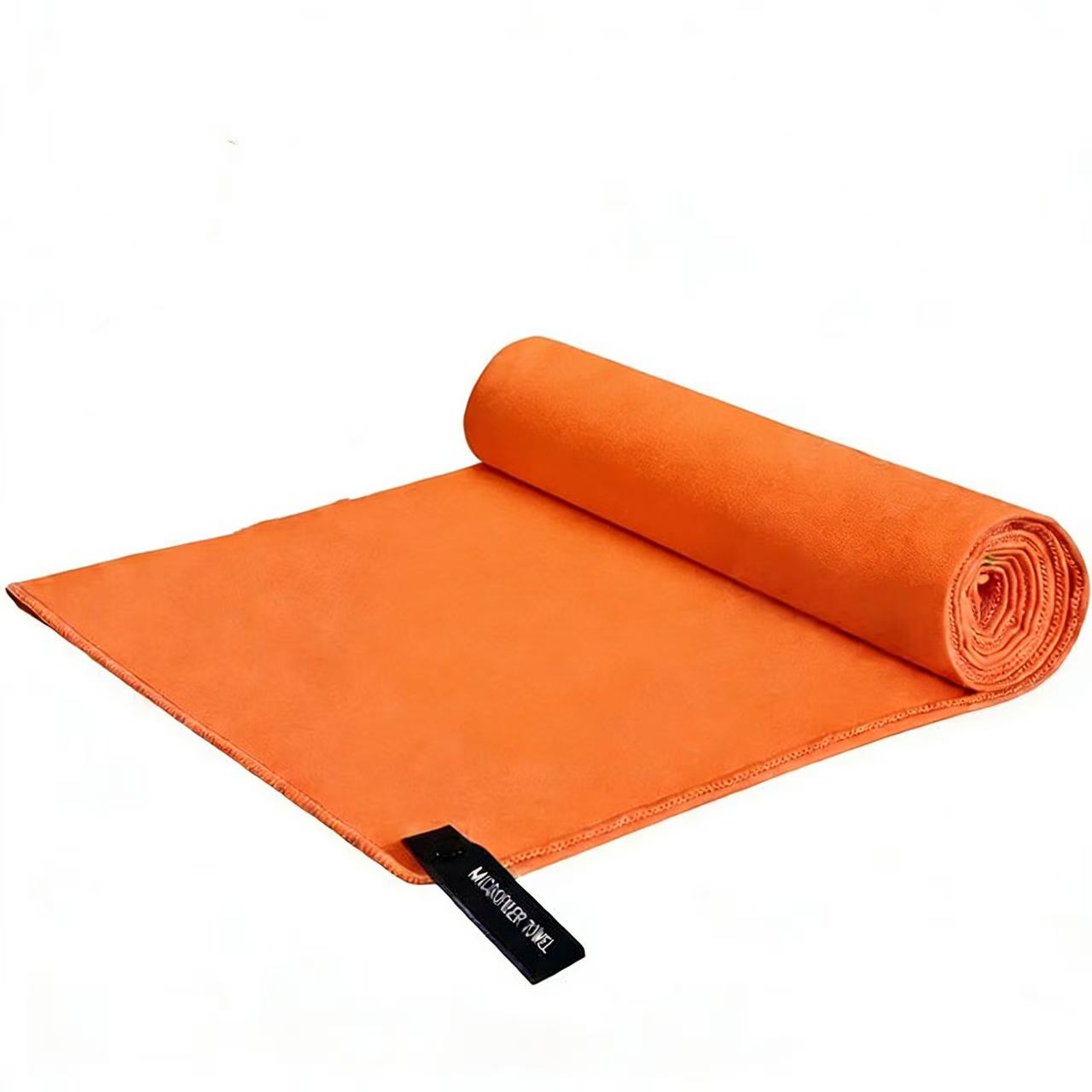
Air Mesh Fabric for a Theatre Costume Workshop in the United States
A Theatre Costume Workshop approached us with a air mesh fabric requirement for the the United States market. The brief was specific: a defined look, a hard launch date and a unit cost that had to survive freight and duty. This case study records what was specified, what went wrong in sampling and how the bulk order was delivered.
The challenge
- Reorders that quietly changed supplier and changed the hand feel
- A compliance document that arrived after the goods were already shipped
- Shade drift between the approved lab dip and the bulk lot
What we specified
| Item | Air Mesh Fabric |
|---|---|
| Client type | A Theatre Costume Workshop |
| Market | the United States |
| Order volume | 20,000 pieces across 6 specifications |
| Base material | TPU |
| Standard size | 180 gsm |
| Finish | Soft-Touch Rubber Coating |
| Sampling rounds | 3 |
| Delivery window | 8 weeks from PO to ex-factory |
| Compliance | REACH SVHC Screening |
How it was resolved
- We rebuilt the specification around TPU and locked the tolerance before bulk.
- The finish was moved to Soft-Touch Rubber Coating after strike-off tests showed better durability.
- A pre-production sample was approved and retained as the golden reference.
- Production ran with in-line inspection and a mid-run photo report.
- Cartons were packed to the client's own barcode and ratio specification.
Result
- 20,000 pieces delivered inside the 8-week window.
- Unit cost held within 1.5% of the original quotation.
- Inspection-related rejection stayed under 1.0%.
- The specification is now on file, so reorders reproduce the approved sample.
What we would repeat
Lock the material standard before sampling. Once the base changes, every downstream approval has to be redone and the calendar slips.
Planning something similar?
Tell us the item, the quantity and the delivery window. We will quote it with the sub-processes named, so the lead time you approve is the lead time you get.